
Explainer · June 10, 2026 · 5 min · By Mireille Chastain
CoolSculpting vs. Kybella for Belly Fat: What Each Treatment Actually Does (and What It Cannot)
Two of the most talked-about non-surgical fat removal options work through completely different biological mechanisms. Here is a plain-English breakdown of when each makes sense, and when neither is the right call.
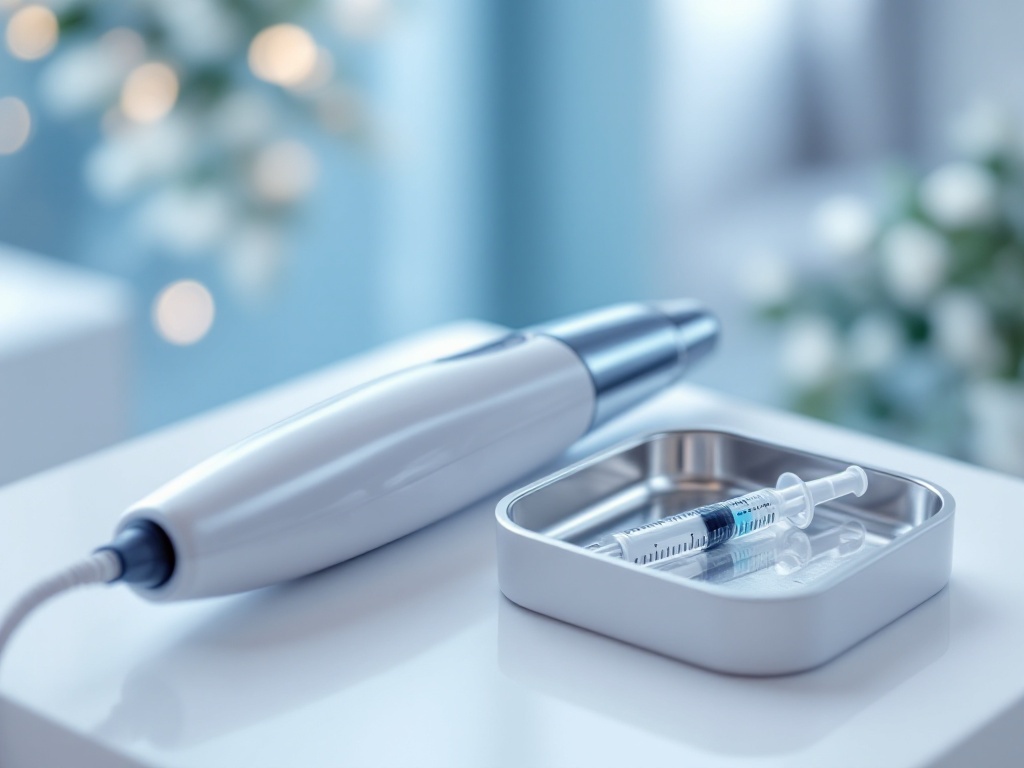
Non-surgical body contouring has expanded quickly over the past decade, and two brand names dominate patient questions more than almost any other: CoolSculpting and Kybella. Both are FDA-cleared. Both are marketed as ways to reduce localized fat without a scalpel. But they work through entirely different mechanisms, treat different anatomical zones with different levels of evidence, and carry different risk profiles. Conflating them is one of the most common mistakes people make when researching stomach fat removal options.
How CoolSculpting (Cryolipolysis) Works
CoolSculpting uses controlled cooling, a process called cryolipolysis, to selectively destroy fat cells. The physics behind it are straightforward: adipocytes (fat cells) are more vulnerable to cold temperatures than the surrounding skin, nerves, and muscle tissue. When the applicator holds tissue at roughly minus 10 to minus 11 degrees Celsius for a treatment cycle lasting 35 to 75 minutes, fat cells undergo a process called apoptosis, which is programmed cell death. The body then clears the cellular debris through the lymphatic system over a period of roughly 8 to 12 weeks. Studies published in journals including the Aesthetic Surgery Journal and Lasers in Surgery and Medicine have consistently shown a measurable fat layer reduction of approximately 20 to 25 percent per treated area after a single session.
For the abdomen specifically, CoolSculpting has the strongest non-surgical evidence base. The technology was developed partly because of observations that children who ate large amounts of popsicles developed fat loss in their cheeks, a phenomenon researchers at Massachusetts General Hospital formalized into a clinical protocol. Multiple applicator sizes now exist for different zones of the stomach, from the lower abdomen to flanks.
How Kybella (Deoxycholic Acid) Works
Kybella is an injectable solution of synthetic deoxycholic acid, a bile acid that naturally occurs in the body and helps emulsify dietary fat in the gut. When injected directly into a fat deposit, deoxycholic acid disrupts the cell membrane of adipocytes, causing cytolysis, which is the physical rupture and destruction of the cell. The resulting cellular debris triggers an inflammatory response, and macrophages clear the dead fat cells over several weeks. The FDA cleared Kybella specifically for submental fat, the fat beneath the chin, based on the large-scale REFINE trial program.
Here is where precision matters: Kybella is not FDA-cleared for abdominal fat. Physicians can administer it off-label to the stomach area, and some do, but the clinical evidence for that application is substantially thinner than for the chin. The abdomen involves larger fat volumes, greater anatomical complexity, and higher risk of uneven results when using an injectable that spreads through tissue. Patients considering Kybella for stomach fat should ask their provider directly about the evidence supporting that specific application versus the cleared submental indication.
Side-by-Side: Key Differences
CoolSculpting is non-injectable. It uses a suction applicator placed on the skin surface, so there is no needle and no risk of injection-related tissue injury in the treatment zone. Kybella requires multiple injection sites per session, and for any area larger than the chin, the number of injections and vials required increases substantially, which also increases cost and procedural discomfort.
Downtime differs meaningfully. CoolSculpting typically causes temporary numbness, redness, and mild bruising. The most important risk to understand is a rare but real complication called paradoxical adipose hyperplasia (PAH), where the treated area actually grows larger rather than smaller. PAH rates in published literature range from roughly 1 in 3,000 to 1 in 4,000 treatments, and it is more commonly reported in male patients and in abdominal treatments. It requires surgical correction when it occurs.
Kybella's primary side effects in any location include swelling, bruising, numbness, and a hardened nodular texture that can persist for weeks. In the submental area, rare cases of nerve injury causing an uneven smile have been documented. In the abdomen, the larger surface area and proximity to the abdominal wall mean providers must be careful about injection depth.
Who Is Actually a Candidate
Neither treatment is a weight loss intervention. Both are intended for people who are at or near a stable, healthy weight and have discrete, pinchable fat deposits that are resistant to diet and exercise. If a patient has visceral fat, which is the deep fat surrounding the organs rather than the subcutaneous fat sitting just under the skin, neither CoolSculpting nor Kybella will touch it. Visceral fat does not respond to surface cooling or injectable lipolysis. This distinction is critical and frequently glossed over in marketing materials.
For a thorough consultation that addresses which specific fat compartments you are dealing with and which technologies are genuinely suited to your anatomy, clinician-written resources offer useful detail on how these procedures are selected and performed in practice.
The Bottom Line
CoolSculpting has the stronger evidence base for abdominal fat reduction and is the more broadly applied of the two for stomach contouring. Kybella has compelling data for the chin but limited peer-reviewed support for off-label abdominal use. Both carry real risks that deserve honest informed consent. Understanding the mechanism behind each treatment, rather than the brand name, is the single most useful thing a prospective patient can do before booking a consultation.
Related reading: Liposuction vs. CoolSculpting: which removes fat better?.