
Field Notes · March 8, 2026 · 6 min · By Arjun Devabhaktuni
Skin tightening after fat removal
Removing fat is half the job; what the skin does next is the other half.
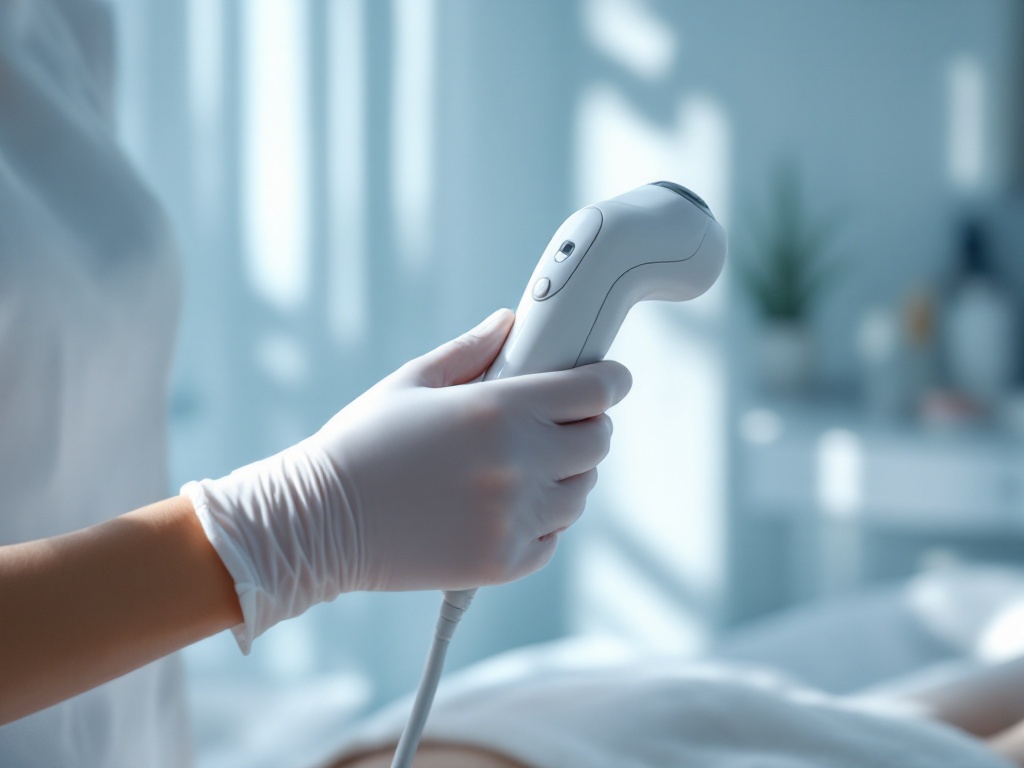
A contouring procedure removes fat, but it cannot decide how the overlying skin responds, and loose skin can undercut an otherwise excellent fat-reduction result.
Young, elastic skin usually redrapes smoothly over the new contour. Skin with reduced elasticity, from age, sun damage, or prior significant weight loss, may sag once the fat beneath it is gone. This is why surgeons assess skin quality before recommending fat removal, and why some patients are advised to pair it with a skin-tightening treatment or, in significant cases, surgical skin excision.
Energy-based tightening can help mild laxity; pronounced loose skin needs excisional surgery that trades a scar for a tighter contour. The point patients miss is that skin health is part of the result, and it is one reason skin laxity features so heavily in who is a good candidate. Healthy, well-protected skin holds a contour better, a principle dermatology-focused practices emphasize across cosmetic care. Planning for the skin, not just the fat, is what separates a flat result from a smooth one.
Related reading: What happens to fat cells after they are removed.
Further reading: Review of non-invasive body contouring devices for fat reduction, skin tightening and muscle definition (Australas J Dermatol 2019); Bipolar Radiofrequency as an Adjunct to Face and Body Contouring: A 745-Patient Clinical Experience (Aesthet Surg J 2021).