
Explainer · July 16, 2026 · 6 min · By Malik Bouchard
Paradoxical Adipose Hyperplasia: The Rare CoolSculpting Risk Where Fat Grows Instead of Shrinks
It is the complication that quietly turned some CoolSculpting patients into cautionary tales: a treated area that gets larger, firmer, and harder to fix rather than smaller. Here is what PAH actually is, how often it happens, who is most at risk, and why the only reliable fix is surgery.
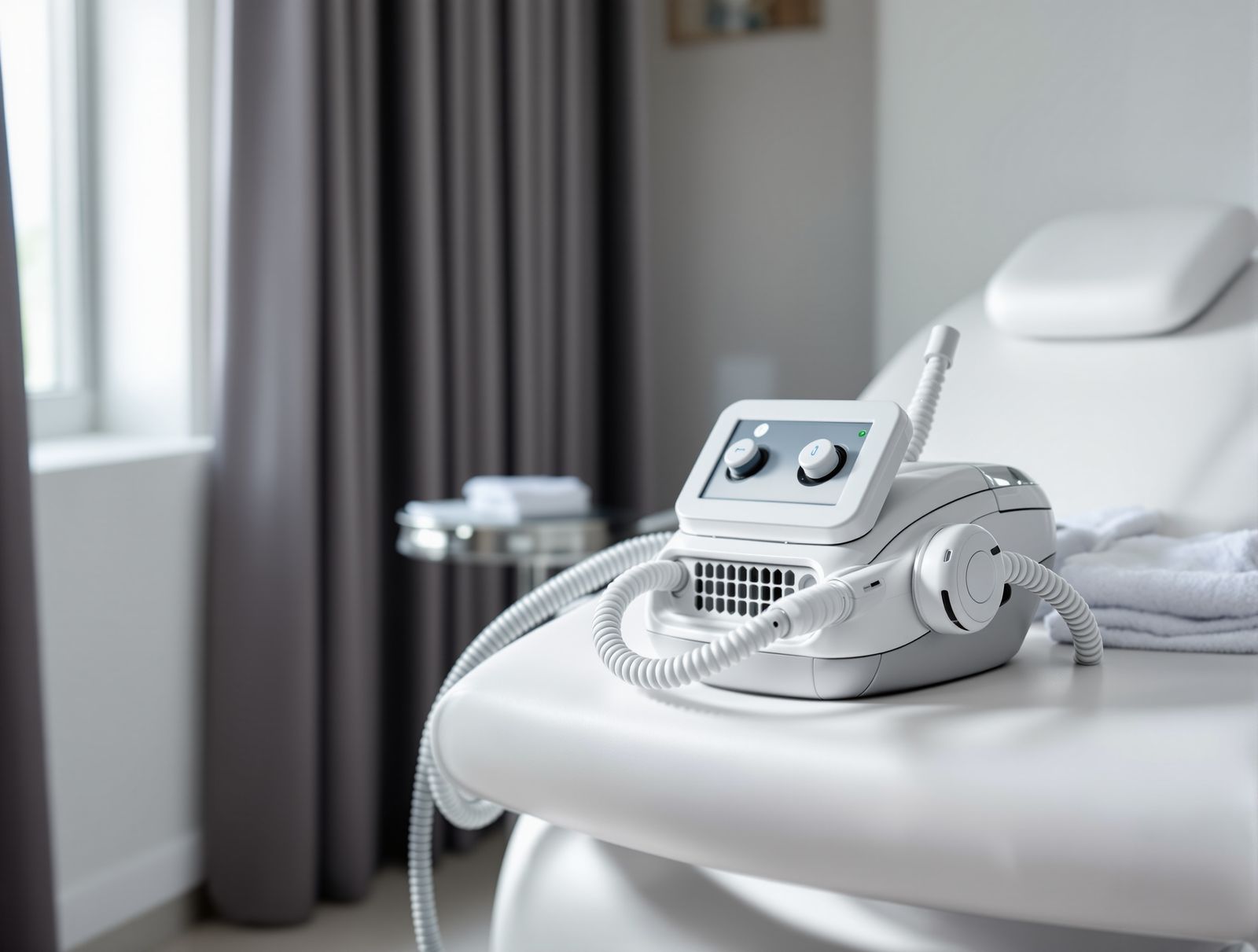
Cryolipolysis, sold most famously under the CoolSculpting name, is one of the most popular non-surgical fat reduction treatments in the world precisely because it sounds so low-stakes. You sit in a chair, an applicator cools a pocket of fat, and over the following weeks your body clears the damaged fat cells. No needles, no anesthesia, no downtime. What almost no marketing mentions is the one complication that runs directly against the entire promise of the treatment: a rare reaction in which the treated area grows a firm, enlarged pad of fat instead of shrinking. It has a name, paradoxical adipose hyperplasia, usually shortened to PAH, and any honest account of the non-surgical fat reduction options has to include it.
What PAH Actually Is
Paradoxical adipose hyperplasia is exactly what the words describe. Paradoxical because the outcome is the opposite of what the treatment intends. Adipose because it involves fat tissue. Hyperplasia because the fat cells increase rather than die off. Instead of the treated fat cells undergoing the programmed cell death that cryolipolysis is designed to trigger, the cells in the cooled zone proliferate and enlarge. The result is a well-defined, often firm mass that matches the shape of the applicator, appearing a few weeks to a few months after the session. It is not swelling, it is not a temporary reaction, and it does not resolve on its own. The mechanism is still not fully understood, which is part of what makes it unsettling to patients who assumed a no-downtime treatment carried no real risk.
How Often It Happens
This is where honest numbers matter, because the estimates have shifted over time. Early manufacturer figures put PAH at roughly 1 in 20,000 treatment cycles, a number so small it barely registered in consent conversations. Later independent research told a less reassuring story. A widely cited analysis published in JAMA Dermatology helped define the condition in the medical literature, and subsequent single-practice reviews reported rates closer to 1 in 100 to 1 in 400 treated areas, far higher than the original estimate. The true population-wide rate is still debated, and underreporting is a genuine problem because not every case reaches the manufacturer's database. The responsible takeaway is not panic. It is that PAH is rare but real, more common than the earliest marketing implied, and worth understanding before you consent.
Who Is Most at Risk
The risk is not evenly distributed. The pattern that emerges most consistently in the published case series is that PAH is reported substantially more often in men, and more often in treatments of the abdomen and flanks than in other zones. Some data also suggest that patients of certain ethnic backgrounds and those with larger, well-defined fat bulges may face elevated risk, though the evidence there is thinner. Importantly, PAH does not appear to be caused by an unqualified operator or a device malfunction. It has occurred in the hands of experienced providers using the device exactly as intended, which is why it is classified as a genuine complication of the technology rather than a mistake. This is a useful distinction to raise when you are choosing a provider: a good one will disclose PAH plainly rather than pretend it does not exist.
Why the Only Reliable Fix Is Surgery
Here is the part patients find hardest to hear. Because PAH involves fat cells that have multiplied and hardened, and because that firm tissue is often fibrous, more cryolipolysis will not undo it. In most documented cases, the enlarged area has to be corrected surgically, typically with liposuction, and sometimes with more involved excision if the tissue is dense. That is a meaningful irony: a patient who specifically chose a non-surgical route to avoid an operation can end up needing exactly that operation to reverse the result. Providers also generally advise waiting several months before attempting correction, so the tissue can stabilize, which extends an already frustrating timeline. Understanding what happens to fat cells after they are removed or destroyed makes the logic clear: normal cryolipolysis kills cells the body clears, while PAH grows new tissue that has to be physically taken out.
Questions Worth Asking Before You Book
Informed consent is the whole point. Before any cryolipolysis session, ask the provider directly how they discuss PAH, what rate they quote and where that figure comes from, and how many cases they have personally seen. Ask what their plan and cost would be if PAH occurred, since the corrective surgery is rarely included in the original price. Ask whether your specific profile, particularly if you are a man seeking abdominal treatment, places you in a higher-risk group. A practice that answers these calmly and specifically is demonstrating the transparency you want. The American Society of Plastic Surgeons maintains a plain overview of non-surgical fat reduction that is worth reading alongside whatever a clinic hands you, because a balanced third-party source is the best defense against a one-sided sales pitch.
The Bottom Line
Paradoxical adipose hyperplasia is uncommon, but it is the rare complication that most directly contradicts why people choose cryolipolysis in the first place. It grows fat instead of removing it, it favors men and abdominal treatments, and it usually requires surgery to correct. None of that makes CoolSculpting a bad treatment for the right candidate. It makes PAH a risk you deserve to have named out loud, weighed honestly, and priced into your decision before you sit in the chair. If a provider will not discuss it, that silence is itself an answer.
Related reading: CoolSculpting vs. Kybella for Belly Fat: What Each Treatment Actually Does (and What It Cannot).